THE HIGHWAY CODE
  • Read
  • Download PDF
  • Podcast
  • Audiobook
  • Changes and answers
  • ketbilietai
  • Categories

The Highway Code - Annexes

27/5/2025

0 Comments

 
​Annex 1. You and your bicycle
Information and rules about you and your bicycle.

Annex 2. Motorcycle licence requirements
Information and rules about motorcycle licence requirements.

Annex 3. Motor vehicle documentation and learner driver requirements
Information and rules about motor vehicle documentation and learner driver requirements.

Annex 4. The road user and the law
Information about the road user and the law, including acts and regulations.

Annex 5. Penalties
Information and rules about penalties, including points and disqualification, a penalty table, new drivers and other consequences of offending.

Annex 6. Vehicle maintenance, safety and security
Information and rules about vehicle maintenance, safety and security.

Annex 7. First aid on the road
Information about first aid on the road, including dealing with danger, getting help, helping those involved, and providing emergency care.
​
Annex 8. Safety code for new drivers
Information about the safety code for new drivers, including the New Drivers Act and further training.

What are the key safety checks recommended for bicycles before riding?Before riding a bicycle, it is important to ensure it is in good working order for safety. Key checks include confirming the cycle is the right size and type, that lights and reflectors are clean and functional, tyres are in good condition and properly inflated, wheels spin freely, gears work correctly, the chain is adjusted and oiled, and the saddle and handlebars are at the correct height. Efficient brakes are a must, and white front and red rear lights are mandatory when cycling at night. Fitting a bell is also recommended.
What are the licensing requirements for riding a motorcycle or moped?To ride a motorcycle with a provisional licence, you must satisfactorily complete a Compulsory Basic Training (CBT) course. This allows you to ride unaccompanied on a motorcycle up to 125 cc with a power output not exceeding 11 kW for up to two years, displaying L plates (or D plates in Wales). For a moped, learners must be 16 or over, have a provisional moped licence, and complete CBT training. This permits riding an unaccompanied two-wheeled vehicle with a maximum design speed of 45 km/h (28 mph) with L plates for up to two years. To obtain a full moped licence, you must pass the motorcycle theory test and the moped practical test. Different licence categories (AM, A1, A2, A) exist for varying motorcycle types and engine sizes, with minimum age requirements and progressive access options.
What documentation is required for motor vehicles?Several documents are legally required for operating a motor vehicle on the road. These include a valid driving licence for the specific vehicle category, a valid insurance policy covering at least third-party injury or damage, an MOT certificate if the vehicle is subject to testing (typically annually after three years from first registration, with exemptions for older vehicles unless substantially changed), a registration certificate detailing the vehicle and registered keeper, and proof of payment of Vehicle Excise Duty (VED). If a vehicle is kept off public roads and untaxed, a Statutory Off-Road Notification (SORN) must be declared. You MUST be able to produce your driving licence, insurance certificate, and MOT certificate when requested by a police officer.
What are the main types of car insurance available?The primary types of car insurance cover available are Third-Party, Third-Party, Fire and Theft, and Comprehensive. Third-Party insurance is the minimum legally required cover and protects against injury or damage caused to another person or their property, but does not cover damage to your own vehicle or personal injury to yourself. Third-Party, Fire and Theft provides the same cover as third-party but also includes protection if your vehicle is stolen or damaged by fire. Comprehensive insurance is the most extensive, covering damage to your own vehicle (up to its market value) and personal injury to yourself, in addition to the cover provided by third-party, fire and theft.
What are the potential penalties for road traffic offences?Penalties for road traffic offences are set by Parliament and vary depending on the seriousness of the offence. Penalties can include fines, imprisonment, and driving disqualification. A system of penalty points is used, where accumulating 12 or more points within a 3-year period results in mandatory disqualification for a minimum of 6 months. For serious offences like dangerous driving or drink-driving, disqualification is obligatory and the minimum period is 12 months, potentially longer for repeat offenders or high alcohol levels. Some offences may also require passing an extended retest. Driving an uninsured vehicle can lead to an unlimited fine, discretionary disqualification, and the vehicle being seized and crushed.
What are the specific rules and penalties for new drivers?Special rules apply to new drivers for two years after passing their first driving test. If a new driver accumulates six or more penalty points on their licence within this two-year period (including points acquired before passing the test), their licence will be automatically revoked under the New Drivers Act. To regain their licence, they must reapply for a provisional licence and pass both the theory and practical driving tests again. This applies even if points are incurred through fixed penalty notices. Further training like Pass Plus is recommended for new drivers to improve skills and safety.
What are essential checks for vehicle maintenance and safety?Regular vehicle maintenance is crucial for safety. Essential checks include ensuring lights, indicators, reflectors, and number plates are clean and clear, windscreens and windows are clean and unobstructed, and lights are properly adjusted. The exhaust system must be in good working order and not exceed prescribed emission levels. Seat belts, demisters, wipers, washers, and audible warning systems must be functional. Tyres must be correctly inflated and have adequate tread depth (minimum 1.6mm for cars, light vans, and trailers; 1mm for motorcycles and large vehicles). Fluid levels, particularly brake fluid, should be checked weekly. Any unusual smells, warning lights on the dashboard, or issues like the vehicle pulling to one side when braking or excessive bouncing should be investigated immediately.
What is the immediate guidance for providing first aid at a road incident?In the immediate aftermath of a road incident, the priority is to deal with danger. This involves approaching the vehicle carefully, being aware of hazards like spilt oil or broken glass, switching off engines, warning other traffic, and stopping anyone from smoking. If possible, get the help of bystanders and call emergency services (999 or 112) immediately, providing the exact location and details about the casualties. DO NOT move casualties from their vehicles unless there is a threat of further danger, and DO NOT remove a motorcyclist's helmet unless essential. DO keep casualties warm, dry, and comfortable, offer reassurance, and prevent them from wandering. DO NOT give them anything to eat or drink. Basic emergency care, summarised by the acronym DRABC (Danger, Response, Airway, Breathing, Circulation), can be provided until professional help arrives, although proper first aid training is highly recommended.
0 Comments

Driving Safely: Road Works, Level Crossings, and Tramways

27/5/2025

0 Comments

 
This government guidance provides crucial rules and advice for drivers navigating specific hazardous situations on the road. It offers clear instructions on how to behave when encountering road works, including on high-speed routes like motorways, emphasizing safe practices such as observing speed limits and maintaining distance. The text also outlines detailed procedures for approaching and crossing level crossings, explaining various types of crossings and mandatory actions like obeying signals and using railway telephones when necessary. Finally, it addresses safe interactions with tramways, detailing rules for avoiding tram-only areas, parking restrictions near tracks, and proper behavior around tram stops, while also highlighting the dangers of overhead lines and track crossings for all road users.
​
  • What are the primary considerations when approaching road works? When approaching road works, drivers should pay extra attention to the "Road Works Ahead" sign and look for additional signs providing specific instructions. It is crucial to observe all signs for safety. Key actions include not exceeding temporary speed limits, maintaining a safe distance from the vehicle in front, getting into the correct lane in good time as directed by signs, and avoiding switching lanes to overtake queuing traffic. Special care should be taken around cyclists and motorcyclists due to potential debris, and drivers should merge in turn where lanes are restricted. It is forbidden to drive through areas marked by cones, and vigilance is required for vehicles entering or leaving the works area, especially those with amber warning lights. Drivers should concentrate on the road ahead, not the road works themselves, and be aware that the road may be obstructed by the works or slow/stationary traffic.
  • What are the additional rules and features to be aware of at road works on high-speed roads like motorways? On motorways and other high-speed dual carriageways, additional care is necessary. Lanes may be closed, and lower speed limits may apply. Works vehicles might be used to close lanes, and drivers MUST move over and pass on the indicated side where large "Keep Left" or "Keep Right" signs are displayed on their back. It is mandatory not to return to a closed lane until it is safe. Vehicles displaying a "CONVOY VEHICLE NO OVERTAKING" sign MUST NOT be passed. Features like narrow lanes, marked by studs or temporary markings, require maintaining a safe distance and clearly seeing the lane edges. Contraflow systems involve narrower lanes with no permanent barrier to oncoming traffic, requiring drivers to slow down at the start and finish due to potential changes in road camber affecting stability.
  • What should a driver do if their vehicle breaks down within a road works area? If a vehicle breaks down within road works, drivers should follow the general breakdown rules (Rules 275, 277, and 278) but be aware of the significant hazards in cone-marked areas. Where available and signed, drivers should try to move their vehicle into a dedicated road works refuge location. Signs will indicate where specific recovery services are provided.
  • What are the key safety procedures when approaching and crossing a level crossing? When approaching a level crossing (where a road crosses a railway or tramway), drivers should proceed with care. They MUST never drive onto a crossing until the road is clear on the other side and should not get too close to the car in front. Stopping or parking on or near a crossing is forbidden. Drivers MUST obey safe height warning signs for overhead electric lines and should not continue if their vehicle touches any height barrier or bells. At controlled crossings with traffic light signals, drivers MUST always obey the flashing red stop lights and stop behind the white line. They should keep going if the amber light comes on after crossing the white line and MUST NOT reverse onto or over a controlled crossing. Waiting is required if red lights continue to flash after a train passes, indicating another train is approaching. Crossing is only permitted when lights go off and barriers open. Zig-zagging around half-barriers is forbidden as they lower automatically for an approaching train. At crossings without barriers but with lights, the lights showing indicate an approaching train.
  • What should drivers of large, slow, or long vehicles do at level crossings with railway telephones? Drivers of large or slow-moving vehicles, or long, low vehicles with a risk of grounding, or those herding animals, should be aware that a train could arrive before they are clear of the crossing. They MUST obey any sign instructing them to use the railway telephone to obtain permission to cross and MUST also telephone when clear of the crossing if requested.
  • What are the rules and procedures for user-operated gates or barriers at level crossings? Some level crossings have "Stop" signs and small red and green lights with user-operated gates or barriers. Drivers MUST NOT cross when the red light is showing and should only cross if the green light is on. When crossing with a vehicle, drivers should open the gates or barriers on both sides, check the green light is still on and cross quickly, then close the gates or barriers when clear of the crossing. If there are no lights, drivers should follow the same procedure: stop, look both ways, listen, and ensure no train is coming before crossing. If a railway telephone is present, it should always be used to contact the signal operator for safety confirmation before and after crossing.
  • What precautions should be taken when driving near or crossing tramways? Drivers MUST NOT enter roads, lanes, or routes reserved for trams. Extra care is needed where trams run along the road, and drivers should avoid driving directly on the rails and be cautious where trams leave the main carriageway for reserved routes. Tram lanes are often indicated by white lines, yellow dots, or a different road surface. Drivers MUST NOT park where they would obstruct trams or force other drivers to do so. Stopping on any part of a tram track is prohibited, except in designated bays clear of the track. Trams cannot steer around obstructions. At tram stops with platforms, drivers MUST follow the route shown by signs and markings. At stops without platforms, drivers MUST NOT drive between a tram and the left-hand kerb when a tram has stopped to pick up passengers. Unless an alternative route is signed, drivers should not overtake a stopped tram but wait for it to move off. Priority should always be given to trams, especially when they signal to pull away from stops, unless it is unsafe to do so. Drivers should also look out for pedestrians running to catch or alighting from trams.
  • What specific hazards do tram tracks pose, particularly for cyclists and motorcyclists, and how should they be navigated? All road users, and especially cyclists and motorcyclists, need to take extra care when driving or riding close to or crossing tram tracks, particularly if the rails are wet. Particular care is needed when crossing the rails at shallow angles, on bends, and at junctions. The safest way to cross tracks is directly at right angles. Other road users should be aware that cyclists and motorcyclists may require more space to cross the tracks safely. Additionally, drivers must be aware of the height of overhead electric tramway wires, which are normally 5.8 metres above the carriageway but can be lower and indicated by height clearance markings. Drivers of vehicles with variable height equipment MUST ensure it is fully lowered and should contact local police or the tramway operator if in doubt about clearance.
0 Comments

Road Incident Procedures and Safety

27/5/2025

0 Comments

 
This government guidance outlines crucial rules for drivers experiencing breakdowns and incidents on UK roads. It emphasizes finding a place of relative safety off the main carriageway when possible, such as a service area or hard shoulder. The advice details procedures for warning other traffic, ensuring personal visibility, and summoning assistance, with specific instructions for motorways and the proper use of emergency services like 999. Furthermore, the text addresses how to handle obstructions and provides protocols for drivers involved in or assisting at incidents, including those involving dangerous goods and the necessary actions regarding documentation after a collision.
​What is considered a "place of relative safety" when dealing with a breakdown or incident?A place of relative safety is a location where you, your passengers, and your vehicle are less likely to be at risk from moving traffic. The safest options are locations designed for parking, such as service areas on motorways. Other places include lay-bys, emergency areas, and hard shoulders. However, it is important to remember that hard shoulders offer less protection due to their proximity to high-speed traffic.
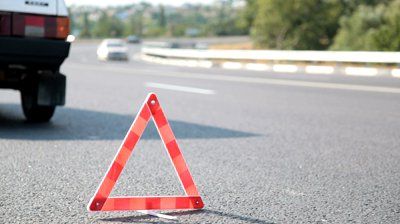
What are the immediate steps to take if your vehicle breaks down?If your vehicle breaks down, your primary concern should be other road users. If possible, get your vehicle off the road. If it's causing an obstruction, use your hazard warning lights. Enhance your visibility by wearing light-coloured or fluorescent clothing during the day and reflective clothing at night or in poor visibility. If you have a warning triangle, place it on the road at least 45 metres (147 feet) behind your vehicle on the same side of the road, but never on motorways. Keep your sidelights on if it is dark or visibility is poor. Crucially, do not stand between your vehicle and oncoming traffic, and at night or in poor visibility, avoid standing in a position that prevents other road users from seeing your vehicle's lights.
What are the specific procedures for a breakdown on a motorway?If you experience a problem on a motorway, try to leave at the next exit or pull into a service area. If that's not possible, move into the left lane and aim for an emergency area or hard shoulder, stopping as far left as possible. Turn your wheels to the left and, if possible, stop just beyond an emergency telephone. Activate your hazard warning lights and sidelights if visibility is poor. Safely exit your vehicle and ensure passengers do the same, moving away from the vehicle and moving traffic, preferably behind a safety barrier. If you cannot safely exit or reach a place of safety, stay in your vehicle with seat belts and hazard lights on and call 999 immediately (or press the SOS button if available). Do not attempt repairs, place a warning triangle, or return to your vehicle once you are in a safe location.
How should you react if you see an incident or obstruction on the road?If you see emergency or incident support vehicles with flashing lights, slow down and be prepared to move safely into another lane or stop, as there may be an incident ahead. You MUST follow any directions given by police or traffic officers regarding safely passing an incident or obstruction. When passing the scene of an incident, remain alert for hazards and avoid slowing down unnecessarily, especially if the incident is on the other side of a dual carriageway. Focus on the road ahead to prevent causing further incidents or congestion.
What are the key actions to take if you are involved in or stop to assist at an incident or collision?If you are involved in or stop to give assistance at an incident or collision, prioritize stopping in a place of relative safety. Use your hazard warning lights and wear high-visibility clothing if you have it. Ask drivers to switch off their engines and avoid smoking. Contact the emergency services immediately on 999, providing precise details of the location and any casualties. Use an emergency telephone, mobile phone, or your vehicle's SOS button if available. Move uninjured people to a place of relative safety away from the vehicles, but DO NOT move injured people unless they are in immediate danger. Do not remove a motorcyclist's helmet unless essential and you are trained to do so. Be prepared to administer first aid and remain at the scene until emergency services arrive. Be prepared to exchange details with other parties involved.
What are the special considerations for incidents involving vehicles carrying dangerous goods?Vehicles carrying dangerous goods are typically marked with plain orange reflective plates or hazard warning plates. If an incident involves such a vehicle, follow the general advice for incidents but with heightened caution. Crucially, switch off engines and DO NOT SMOKE. Keep well away from the vehicle and DO NOT attempt to rescue casualties yourself due to the inherent danger. Call the emergency services and provide as much information as possible about the labels and markings on the vehicle. DO NOT use a mobile phone close to a vehicle carrying flammable loads.
What are the legal requirements if you are involved in a collision that causes damage or injury?If you are involved in a collision causing damage or injury to any other person, vehicle, animal, or property, you MUST stop. If possible, do so in a place of relative safety. You MUST provide your name, the vehicle owner's name and address, and the vehicle's registration number to anyone with reasonable grounds to request them. If you do not provide this information at the scene, you MUST report the collision to the police as soon as reasonably practicable, and in any case within 24 hours.
What are the requirements regarding insurance details after a collision where another person is injured?If another person is injured in a collision and you do not produce your insurance certificate to a police officer or anyone with reasonable grounds to request it at the time of the crash, you MUST report the collision to the police as soon as possible, and in any case within 24 hours. You MUST also produce your insurance certificate to the police within seven days.
0 Comments

Motorway Driving Rules and Guidance

27/5/2025

0 Comments

 
This excerpt from the UK government's Highway Code provides detailed rules and guidance for driving on motorways. It begins by explaining the website's use of cookies before listing various government services and activities. The primary focus is on motorway regulations, covering aspects such as prohibited vehicles, the importance of being alert due to higher speeds, understanding various motorway signals, the correct procedure for joining and driving on the motorway, maintaining lane discipline, proper overtaking techniques, the limited use of the hard shoulder, designated emergency areas, and guidelines for stopping and leaving the motorway. Specific rules are referenced throughout, along with relevant legal citations.
​1. What types of vehicles and individuals are prohibited from using motorways?Motorways are subject to specific restrictions regarding who and what can use them. Generally, pedestrians, holders of provisional motorcycle licences, riders of motorcycles under 50 cc (4 kW), cyclists, horse riders, certain slow-moving vehicles, vehicles carrying oversized loads (without special permission), agricultural vehicles, and powered wheelchairs/mobility scooters are not allowed on motorways. Provisional car licence holders are only permitted if accompanied by a DVSA Approved Driving Instructor (ADI) in a dual-controlled car displaying L plates (or D plates in Wales).
2. How should drivers react to motorway signals?Motorway signals, including amber and red flashing lights and red 'X' signs, are used to warn drivers of hazards or indicate lane closures. Amber flashing lights signify a hazard ahead, requiring drivers to reduce speed and be prepared. Speed should only be increased when a non-flashing signal or a sign indicating a national speed limit or 'END' is passed, and it is safe to do so. Red flashing lights and a red 'X' indicate a closed lane, which drivers MUST NOT enter. Drivers MUST follow signs in advance of closed lanes to move to an open lane. If red flashing lights and closure of all lanes are shown, the road is closed, and drivers MUST NOT proceed beyond the sign in any lane or use the hard shoulder unless directed by police or a traffic officer.
3. What is the correct procedure for joining a motorway?When joining a motorway, typically from a slip road on the left or an adjoining motorway, drivers should prioritize traffic already on the motorway. It is crucial to check the flow of traffic on the motorway and adjust your speed to merge safely into the left-hand lane. Drivers should NOT cross solid white lines separating lanes or use the hard shoulder when joining. If the slip road continues as an extra lane, drivers should stay on it. After joining, drivers should remain in the left-hand lane long enough to adjust to the speed of traffic before considering overtaking.
4. What are the key rules for driving on the motorway itself?While driving on the motorway, it is important to maintain a steady cruising speed appropriate for conditions and within speed limits, keeping a safe distance from the vehicle ahead and increasing this distance in poor conditions. Drivers MUST NOT exceed displayed speed limits or the maximum speed limit for the road and their vehicle. It is also essential to be aware of potential fatigue and take breaks as advised. Reversing, crossing the central reservation, or driving against the traffic flow on any part of the motorway, including slip roads, hard shoulders, and emergency areas, is strictly prohibited unless directed by police or a traffic officer. If an exit is missed, drivers should continue to the next one.
5. What is the correct lane discipline on a motorway?Drivers should primarily stay in the left lane unless overtaking. After overtaking, drivers should return to the left lane when it is safe. When driving in the left lane and approaching stopped vehicles or people on the hard shoulder or in an emergency area, drivers should move into the adjacent lane if safe to create more space. On motorways with three or more lanes, certain vehicles, such as those drawing trailers or larger goods/passenger vehicles (often those required to have speed limiters), MUST NOT use the right-hand lane, except in prescribed circumstances. When approaching a junction, drivers should look ahead for signs and road markings and change lanes well in advance if necessary.
6. What are the rules and best practices for overtaking on a motorway?Overtaking should only be attempted when it is safe and legal. Overtaking on motorways should only be done on the right. Before overtaking, drivers should check mirrors, judge speeds accurately, ensure the target lane is clear ahead and behind, perform a quick check of blind spots, and be aware of rapidly approaching traffic. Once safe, drivers should signal in plenty of time and move out, being careful not to cut in after overtaking. Extra caution is needed at night and in poor visibility. While overtaking on the left is generally prohibited, in congested conditions where adjacent lanes are moving at similar speeds, traffic in left lanes may pass traffic in the lane to the right without weaving between lanes.
7. When can the hard shoulder be used, and what are emergency areas?The hard shoulder should NOT be used except in an emergency or when directed by police, traffic officers, or a traffic sign. On some motorways, the hard shoulder may be used as an extra lane during congestion; this is indicated by a speed limit sign above it. A red 'X' or blank sign above the hard shoulder means it is closed and MUST NOT be used except in an emergency. Emergency areas are designated stopping points on motorways without hard shoulders or where the hard shoulder is used as an extra lane. They are marked by blue signs with an orange SOS symbol and may have orange surfacing. Emergency areas MUST only be used in an emergency.
8. How should drivers prepare for and execute leaving a motorway?When leaving a motorway, drivers will usually use a slip road on the left, unless signs indicate otherwise. It is important to watch for signs indicating the approach to the exit and move into the left-hand lane well in advance. Drivers should signal left in good time and reduce speed on the slip road as needed. It is crucial to remember that speed on slip roads and link roads can feel slower than it is (e.g., 50 mph may feel like 30 mph), so checking the speedometer and adjusting speed for potential sharp bends is essential. Stopping on any part of a motorway (carriageway, emergency area, hard shoulder, slip road, central reservation, or verge) to pick up or set down anyone, walk, or make/receive mobile calls is prohibited except in an emergency or when directed by authorities or signals.
0 Comments

Highway Code: Waiting and Parking Rules

27/5/2025

0 Comments

 
This excerpt from the GOV.UK website's Highway Code provides guidance and regulations regarding waiting and parking rules in the UK. It covers general rules for where and when drivers are prohibited from parking, such as on double yellow lines or school entrance markings. The text also outlines safe parking practices when stopping roadside, including advice on engine shutdown, handbrake use, and door opening techniques to prevent injury. Furthermore, it details specific restrictions for different areas like motorways, pedestrian crossings, and bicycle lanes, as well as regulations for controlled parking zones, goods vehicles, and loading/unloading. Finally, the source addresses parking at night, including lighting requirements and specific advice for parking on hills, and briefly mentions the role of Decriminalised Parking Enforcement.
​Parking and Waiting Regulations: An FAQWhat are the basic rules regarding waiting and parking on yellow lines?You are strictly prohibited from waiting or parking on single yellow lines during the hours specified on nearby time plates or zone entry signs in Controlled Parking Zones. Double yellow lines indicate a prohibition of waiting at any time, regardless of whether signs are present. Additionally, you must not wait, park, or stop to pick up or drop off passengers on school entrance markings when upright signs indicate a prohibition of stopping.
When stopping on the roadside, what essential actions and precautions should be taken?When stopping on the roadside, you should park as close to the side as possible, avoid facing against the traffic flow, and leave ample space if near a vehicle displaying a Blue Badge. You MUST switch off your engine, headlights, and fog lights and apply the handbrake before exiting the vehicle. Before opening your door, you MUST check thoroughly for cyclists or other traffic using mirrors and by looking around. A recommended safety measure is to use the hand opposite to the door you are opening (e.g., left hand for a right-side door) as this naturally encourages you to look over your shoulder. For passenger safety, particularly children, they should ideally exit on the kerb side. Always secure your vehicle by locking it and putting valuables out of sight.
Where is parking or stopping explicitly prohibited?Stopping or parking is strictly prohibited in several locations including: the carriageway, emergency area, or hard shoulder of a motorway (except in emergencies); on pedestrian crossings and their zig-zag lines; clearways; taxi bays; urban clearways during operational hours (except for picking up/setting down passengers); roads with double white lines (even with a broken line on your side, except for picking up/setting down passengers or loading/unloading); tram or cycle lanes during their operation; cycle tracks; and red lines on 'red routes' unless indicated otherwise.
Are there restrictions on where I can park based on the type of parking space or users?Yes, you are prohibited from parking in spaces specifically reserved for certain users unless you are entitled to use them. This includes parking spaces for Blue Badge holders, residents, or motorcycles.
What general situations should be avoided when deciding where to stop or park, even if not explicitly signed?You should generally avoid stopping or parking near school entrances, anywhere that obstructs access for Emergency Services, at or near bus/tram stops or taxi ranks, on the approach to level/tramway crossings, opposite or within 10 metres of a junction (unless in an authorised space), near the brow of a hill or hump bridge, opposite a traffic island, opposite another parked vehicle if it causes an obstruction, where you would force other traffic into a tram lane, where the kerb is lowered for accessibility, in front of a property entrance, on a bend, or where you obstruct cyclists' use of facilities, unless forced to do so by stationary traffic. In Scotland, double parking is prohibited, as is parking where the kerb is lowered for pedestrians or cyclists, with limited exceptions.
What are the specific rules for parking partially or wholly on the pavement?Parking partially or wholly on the pavement is prohibited in London and Scotland, with limited exceptions. In other areas, you should not park on the pavement unless signs specifically permit it. Parking on the pavement is discouraged as it can significantly inconvenience pedestrians, particularly those using wheelchairs, with visual impairments, or with prams.
Are there any special rules regarding the parking of goods vehicles and loading/unloading?Goods vehicles with a maximum laden weight over 7.5 tonnes (including trailers) MUST NOT be parked on a verge, pavement, or land between carriageways without police permission, unless essential for unattended loading/unloading. When loading or unloading, avoid areas with yellow kerb markings and upright signs indicating restrictions. Red routes often have specially marked and signed bays for permitted loading and unloading.
What are the key considerations when parking at night?At night, you MUST NOT park on a road facing against the direction of traffic flow unless in a designated parking space. Vehicles parked on roads or lay-bys with speed limits over 30 mph MUST display parking lights. On roads or lay-bys with speed limits of 30 mph or less, cars, goods vehicles under 2500 kg, invalid carriages, motorcycles, and pedal cycles can be parked without lights if they are at least 10 metres from a junction, close to the kerb, and facing the traffic flow, or in a recognised parking place. Other vehicles, trailers, and those with projecting loads MUST always display lights when left on a road at night. Parking in fog is particularly hazardous; if unavoidable, leave parking or sidelights on.
0 Comments

Driving in Adverse Weather Conditions

27/5/2025

0 Comments

 
This government guidance provides essential rules and advice for driving safely in various adverse weather conditions. It covers key situations like wet weather, emphasizing doubled stopping distances and reduced visibility, as well as icy and snowy conditions, highlighting the necessity of clear windows, increased stopping distances, and gentle driving techniques. The text also addresses the impact of strong winds on different vehicle types and offers instructions for navigating fog, including when to use specific lights and maintain safe distances. Finally, it briefly touches on considerations for hot weather, such as ventilation and the potential for slippery road surfaces after rain.
​What are the key considerations for driving in adverse weather conditions?
  • Driving in adverse weather requires heightened caution and adjustments to your driving style. Key considerations include significantly increased stopping distances, reduced visibility, and potential loss of tyre grip on the road surface. It is crucial to anticipate changing conditions and be prepared to adapt your speed and braking accordingly.
How does wet weather affect stopping distances?
  • In wet weather, stopping distances are at least double those required for stopping on dry roads. This is due to reduced tyre grip on the wet surface. Maintaining a greater distance from the vehicle in front is essential to allow for this increased stopping distance.
What should I do if my steering becomes unresponsive in wet weather?
  • If your steering becomes unresponsive in wet weather, it is likely due to water preventing the tyres from gripping the road (aquaplaning). You should ease off the accelerator and slow down gradually without making any sudden steering movements.
What are the essential checks to make before driving in icy or snowy weather?
  • Before driving in icy or snowy weather, you must clear all snow and ice from your windows to ensure you can see. Your lights must be clean, and number plates clearly visible. Ensure mirrors are clear and windows are thoroughly demisted. Remove any snow from your vehicle that could fall and obstruct other road users.
How much greater can stopping distances be in icy or snowy weather compared to dry roads?
  • In icy or snowy weather, stopping distances can be ten times greater than on dry roads. This highlights the critical need to drive at a significantly reduced speed and maintain a very large gap from the vehicle in front.
What driving techniques are recommended when driving on icy roads?
  • When driving on icy roads, avoid sudden actions, which can cause a loss of control. Drive at a slow speed in as high a gear as possible, accelerating and braking very gently. Slow down progressively before bends and steer smoothly around them. You can check for grip by gently braking in a safe place.
How can wind affect driving, particularly for certain types of vehicles?
  • Strong winds can significantly affect driving, especially for high-sided vehicles. However, gusts can also push cars, cyclists, motorcyclists, and horse riders off course. This is particularly noticeable on open roads or when passing bridges or gaps in hedges. Large vehicles can also create turbulence that affects other road users, especially motorcyclists.
When should I use fog lights and when must I switch them off?
  • You must use headlights when visibility is seriously reduced, generally when you cannot see for more than 100 metres. You may also use front or rear fog lights when visibility is seriously reduced. However, you must switch them off when visibility improves, as they can dazzle other road users and obscure your brake lights.
0 Comments

Vulnerable Road User Safety Principles

27/5/2025

0 Comments

 
This government guidance, from The Highway Code, focuses on road users requiring extra care. It emphasizes the increased risk faced by pedestrians, particularly children, older adults, and disabled people, as well as cyclists, horse riders, and motorcyclists. The text provides specific rules and advice for drivers on how to safely interact with these vulnerable groups, including driving carefully and slowly in various situations, being aware of disabled people and those with reduced visibility or hearing, and taking extra caution near schools. It also covers considerations for interacting with other road users like those driving animals or less experienced drivers, and different types of vehicles such as large vehicles, buses, trams, and emergency services. The overall theme is promoting awareness and responsible driving to ensure the safety of everyone on the road.
  • What is the overarching principle for road users regarding vulnerable individuals?
  • The Highway Code emphasizes that those who have the potential to cause the most harm on the road have the greatest responsibility to minimize the danger or threat they pose to others. This principle is particularly important when interacting with road users requiring extra care.
  • Who are identified as the road users most at risk from road traffic?
  • Pedestrians, especially children, older adults, and disabled people, along with cyclists, horse riders, and motorcyclists, are identified as the road users most vulnerable to road traffic. Learner and inexperienced drivers and riders are also highlighted as needing particular awareness.
  • What specific precautions should drivers take when in areas with children or vulnerable pedestrians?
  • Drivers should drive carefully and slowly in areas like crowded shopping streets, Home Zones, Quiet Lanes, and residential areas. Extra caution is needed near bus and tram stops, when passing parked vehicles (especially ice cream vans), when crossing pavements, cycle lanes or tracks (giving way to pedestrians and cyclists), and when reversing into side roads (giving way to pedestrians). At junctions, drivers should give way to pedestrians crossing or waiting to cross. Approaching pedestrians on narrow rural roads or those who have started to cross the road ahead also requires slowing down and giving way. Special attention is needed near schools, driving very slowly when flashing amber signals are present and stopping for school crossing patrols.
  • Why are speed limits particularly important for the safety of vulnerable pedestrians?
  • Speed significantly impacts the outcome of a collision with a pedestrian. The Highway Code explicitly states that at 40 mph (64 km/h), a vehicle will likely kill any pedestrian it hits, while at 20 mph (32 km/h), there is only a 1 in 20 chance of fatality. Therefore, reducing speed drastically increases pedestrian safety.
  • What challenges do motorcyclists and cyclists present for drivers, and what should drivers do?
  • Motorcyclists and cyclists can be difficult to see, particularly when waiting alongside, approaching from behind, emerging from or moving off from junctions, at roundabouts, or filtering through traffic. Drivers should always look out for them, especially before emerging from a junction, and should not turn if it would force a cyclist going straight to stop or swerve. Checking mirrors and blind spots carefully is crucial, and drivers should give way to cyclists or motorcyclists filtering on the inside of traffic when turning right.
  • How much space should drivers give when overtaking vulnerable road users like cyclists or horse riders?
  • When overtaking motorcyclists, cyclists, horse riders, horse-drawn vehicles, and pedestrians walking in the road, drivers should give at least as much room as they would when overtaking a car. In bad weather and at night, extra care and more space should be provided. When passing horses, drivers should slow down to a maximum of 10 mph, pass wide and slowly, allowing at least 2 meters of space, and avoid startling them.
  • What is the advice regarding cyclists riding in the center of the lane or two abreast?
  • On narrow sections of road, on quiet roads or streets, at road junctions, and in slower-moving traffic, cyclists may ride in the center of the lane or in groups of two abreast for their own safety to ensure they can see and be seen. The Highway Code advises allowing them to do so.
  • What considerations are needed when interacting with large vehicles, buses, coaches, and electric vehicles?
  • Large vehicles like buses and articulated lorries may require extra space for turning or dealing with hazards, and their drivers may have blind spots. Following drivers should increase their separation distance to improve visibility and planning. Drivers should be patient as large vehicles have lower speed limits. Give priority to buses, coaches, and trams signaling to pull away from stops. Be aware of people getting off these vehicles and crossing the road. Electric vehicles, such as milk floats and trams, can be quiet, and trams move quickly and cannot steer, requiring extra caution. Vehicles with flashing amber beacons indicate slow-moving or stationary vehicles or abnormal loads, requiring approach with caution.
0 Comments

Powered Mobility Rules

27/5/2025

0 Comments

 
What are the different classes of powered wheelchairs and mobility scooters?There are two classes of powered wheelchairs and mobility scooters, in addition to manual wheelchairs (Class 1). Class 2 vehicles have a maximum speed of 4 mph (6 km/h) and are designed for pavement use. Class 3 vehicles have a maximum speed of 8 mph (12 km/h) and are equipped for use on both roads and pavements.
When using a powered wheelchair or mobility scooter, which rules should I follow on the road and on the pavement?When operating a powered wheelchair or mobility scooter on the road, you should follow the guidance and rules applicable to other vehicles. When on the pavement, you should adhere to the guidance and rules for pedestrians.
What is the recommended speed limit for powered wheelchairs and mobility scooters on pavements?Powered wheelchairs and mobility scooters MUST NOT travel faster than 4 mph (6 km/h) on pavements or in pedestrian areas. You may need to slow down further to accommodate other pavement users who may not be able to move quickly or on narrow pavements.
What precautions should be taken when moving from a pavement onto the road?When moving from a pavement onto the road, extreme care should be taken. Always look around to ensure it is safe to join the traffic before moving off. It is always best to use dropped kerbs when available, even if it means traveling a longer distance. If you must navigate a kerb, approach it at right angles and do not attempt a kerb higher than recommended by the vehicle manufacturer.
What are the rules regarding travel direction for Class 2 and Class 3 vehicles on the road?When on the road, Class 3 vehicles should travel in the direction of traffic. Class 2 users should use the pavement whenever possible. If there is no pavement, Class 2 users should exercise caution and, where possible, travel in the direction of traffic. At night, when lights are required, both classes should travel in the direction of traffic to avoid confusing other road users.
What are the requirements for using lights, indicators, and horns on powered wheelchairs and mobility scooters when on the road?If your vehicle is fitted with lights, indicators, and horns, you MUST follow the same rules for their use as other road vehicles. Lights MUST be used at night. It is also important to be aware that other road users may not see you and to make yourself more visible, even during the day and at dusk, perhaps by wearing a reflective jacket or adding reflective strips to the vehicle.
How should powered wheelchairs and mobility scooters handle road junctions and right turns?Take extra care at road junctions. When going straight, check for vehicles crossing from the left, right, or overtaking and turning left. For right turns, if moving into the middle of the road is difficult or dangerous, you can either stop on the left-hand side and wait for a safe gap or negotiate the turn as a pedestrian by using the pavement and crossing where safe. Class 3 users should switch to the lower speed limit when on pavements. If a junction is too hazardous, consider an alternative route. Similarly, for major roundabouts with two or more lanes, it may be safer to use the pavement or find a route that avoids the roundabout.
Are there any restrictions on where powered wheelchairs and mobility scooters can be used?Powered wheelchairs and mobility scooters MUST NOT be used on motorways. They should not be used on unrestricted dual carriageways with a speed limit exceeding 50 mph (80 km/h). If they are used on these dual carriageways, they MUST have a flashing amber beacon. A flashing amber beacon should also be used on all other dual carriageways.
0 Comments

Highway Code Animal Rules FAQ

27/5/2025

0 Comments

 
FAQ on Animal Rules in The Highway CodeWhat are the essential safety requirements for horse-drawn vehicles operating on the highway?Horse-drawn vehicles must be operated and maintained according to standards outlined in the Department for Transport’s Code of Practice. This code includes requirements for a road driving assessment and safety checks for the carriage and its fittings. Regarding safety equipment, all horse-drawn vehicles should have two red rear reflectors. When driving at night, a light showing white to the front and red to the rear MUST be fitted.
What safety equipment is legally required for child horse riders on the road?Children under the age of 14 MUST wear a helmet that complies with the Regulations, and it MUST be fastened securely. This requirement does not apply to a child who is a follower of the Sikh religion while wearing a turban. Other riders should also follow these requirements for safety.
What is recommended for horse riders to wear for visibility, especially at night?In addition to boots or shoes with hard soles and heels, riders should wear light-coloured or fluorescent clothing in daylight to enhance visibility. If riding at night or in poor visibility, reflective clothing is recommended. When riding at night, it is also recommended that the horse has reflective bands above the fetlock joints and that the rider wears a light showing white to the front and red to the rear, attached to their right arm and/or leg/riding boot. When leading a horse at night, carry a light in your right hand showing white to the front and red to the rear, and wear reflective clothing on both yourself and your horse. A fluorescent/reflective tail guard is also strongly recommended for the horse.
What steps should a rider take to ensure their horse is safe to take on the road?Before taking a horse or horse-drawn vehicle onto the road, riders should ensure that all tack fits well and is in good condition and that they can control the horse. Inexperienced riders or those who haven't ridden for a while should consider taking the Ride Safe Award from the British Horse Society, which provides foundational safety knowledge for riding in all environments, particularly on the road. It is also advised to ride with other, less nervous horses if your horse is likely to be nervous of traffic. A horse should never be ridden without both a saddle and bridle.
What are the key rules for riding a horse on the road regarding position and formation?When riding on the road, riders should keep to the left, keep both hands on the reins unless signalling, and keep both feet in the stirrups. Riders should not carry another person or anything that might affect their balance or get tangled with the reins. When leading a horse, it should be kept to the rider's left. In a one-way street, riders should move in the direction of the traffic flow. Riders should never ride more than two abreast and should ride in single file on narrow or busy roads and when riding around bends. Before riding off or turning, riders should look behind and give a clear arm signal.
Are horse riders allowed on footpaths, pavements, or cycle tracks?No, horse riders MUST NOT take a horse onto a footpath or pavement. They should also not take a horse onto a cycle track. Where possible, riders should use a bridleway. Equestrian crossings may be provided for horse riders to cross the road, and these should be used when available. Riders should dismount at level crossings where a 'horse rider dismount' sign is displayed.
How should dogs be managed when on or near the road?Dogs should not be let out on the road on their own. When walking on the pavement, road, or a path shared with cyclists or horse riders, dogs should be kept on a short lead.
How should animals be restrained when traveling in a vehicle?When transporting dogs or other animals in a vehicle, they must be suitably restrained. This is to prevent them from distracting the driver or causing injury to themselves or others if the vehicle stops quickly. Recommended methods of restraint include a seat belt harness, pet carrier, dog cage, or dog guard.
What are the guidelines for herding animals on the road, especially after dark?Animals being herded on the road should be kept under control at all times. If possible, another person should be sent along the road in front to warn other road users, particularly at bends or the brow of a hill. It is safer not to move animals after dark. However, if this is necessary, those herding the animals should wear reflective clothing, and lights should be carried (white at the front and red at the rear of the herd).
0 Comments

Understanding The Highway Code and Road Safety

27/5/2025

0 Comments

 
What is the purpose of The Highway Code?
  • The primary aim of The Highway Code is to enhance safety on the road. It also supports the creation of a healthy, sustainable, and efficient transport system. It is considered essential reading for everyone who uses the roads in England, Scotland, and Wales.
Are all rules in The Highway Code legally binding?
  • No, not all rules are legally binding. Rules that use the words 'MUST/MUST NOT' are legal requirements, and disobeying them constitutes a criminal offence with potential penalties including fines, penalty points, disqualification, or even imprisonment. These rules often reference specific legislation. Other rules, using advisory wording like 'should/should not' or 'do/do not', are not legal requirements themselves, but the Highway Code can still be used in court proceedings under the Traffic Acts as evidence to establish liability.
How can following The Highway Code affect road safety?
  • Knowing and applying the rules in The Highway Code can significantly reduce road casualties. Everyone shares the responsibility of reducing the number of deaths and injuries on the roads, and the Code provides guidance to help fulfill this responsibility.
How are self-driving vehicles defined according to The Highway Code?
  • Self-driving vehicles are defined as those listed as automated vehicles by the Secretary of State for Transport under the Automated and Electric Vehicles Act 2018. These vehicles are capable of safely driving themselves when the function is correctly activated and the driver follows the manufacturer's instructions. This is different from vehicles with only assisted driving features, where the driver remains responsible at all times.
What are the driver's responsibilities when a self-driving vehicle is operating?
  • While a self-driving vehicle is driving itself in a valid situation, the driver is not responsible for how the vehicle drives and may turn their attention away from the road and view content on the vehicle's infotainment system. However, the driver MUST still follow all relevant laws, including being fit to drive (e.g., not under the influence of alcohol or drugs), ensuring the vehicle is road legal and roadworthy, and being responsible for passengers and cargo. The driver MUST NOT do anything illegal, such as using a handheld mobile phone.
What should a driver do when a self-driving vehicle needs to hand back control?
  • A self-driving vehicle will provide sufficient warning when it needs to hand control back to the driver. The driver MUST always be able and ready to take control and do so when prompted by the vehicle. This includes staying in the driving seat and remaining awake. Once the driver has taken back control or turned off the self-driving function, they become responsible for all aspects of driving.
What is the 'hierarchy of road users' in The Highway Code?
  • The 'hierarchy of road users' places those most at risk in a collision at the top. This does not remove the responsibility of everyone to behave safely. Road users most likely to be injured are pedestrians, cyclists, horse riders, and motorcyclists, with children, older adults, and disabled people being particularly vulnerable. Those in charge of vehicles that can cause the greatest harm (drivers of large vehicles, cars, motorcycles) bear the greatest responsibility to take care. Cyclists, horse riders, and drivers of horse-drawn vehicles also have a responsibility to reduce danger to pedestrians. However, all road users, including pedestrians, cyclists, and horse riders, are responsible for their own and others' safety.
How does The Highway Code address priority at junctions concerning vulnerable road users?
  • At a junction, drivers, motorcyclists, horse-drawn vehicles, horse riders, and cyclists should give way to pedestrians crossing or waiting to cross the road they are turning into or from. They MUST give way to pedestrians on a zebra crossing and to pedestrians and cyclists on a parallel crossing. Pedestrians have priority on zebra crossings, parallel crossings, and at light-controlled crossings when they have a green signal. Drivers and motorcyclists should not cut across cyclists, horse riders, or horse-drawn vehicles going ahead when turning, changing direction, or changing lane, and should give way to them. They should wait for a safe gap if necessary, including when cyclists are approaching, passing, or moving off from a junction, moving past or waiting alongside traffic, or travelling around a roundabout.
0 Comments

Navigating the Road: Essential Driving Skills

27/5/2025

0 Comments

 
FAQ: Using the RoadWhat are the essential checks a driver should make before moving off?Before setting off, a driver should perform thorough checks to ensure the road is clear and it is safe to move. This includes using all mirrors to assess the surroundings, looking around to check for blind spots (areas not visible in the mirrors), signaling if necessary to indicate the intention to move, and conducting a final visual check before proceeding. Moving off should only occur when it is confirmed to be safe.
What are the key considerations for safe driving once a vehicle is in motion?Once moving, drivers should generally keep to the left side of the road unless directed otherwise by signs or markings, or when performing maneuvers like overtaking, turning right, or passing obstructions. On right-hand bends, keeping well to the left improves visibility and reduces collision risk. Drivers should maintain control by keeping both hands on the steering wheel or handlebars where possible, although driver assistance systems can be used according to manufacturer instructions. Awareness of other road users, especially vulnerable ones like cyclists and motorcyclists who may be filtering, is crucial. Give these users ample space, particularly with larger vehicles or trailers, and avoid cutting across cyclists when changing direction or lane. When descending long slopes, selecting a lower gear helps control speed. Finally, when towing, remember the extra length and weight will impact overtaking, maneuvering, braking, and acceleration.
How should drivers effectively use their mirrors while driving?Effective mirror use is vital throughout a journey. Drivers should check their mirrors frequently to stay informed about traffic behind and to the sides. Mirrors should be used in good time before signaling or changing direction or speed. It's important to remember that mirrors have blind spots, so looking around to check these areas is also necessary. The mnemonic "Mirrors – Signal – Manoeuvre" serves as a helpful reminder for the correct sequence of actions before changing direction or speed.
What are the critical steps to take before and during an overtaking maneuver?Before attempting to overtake, a driver must ensure the road ahead is sufficiently clear, that no other road users are already attempting to overtake them, and that there is adequate space in front of the vehicle they intend to pass. Overtaking should only be undertaken when it is safe and legal. This involves not getting too close to the vehicle in front, using mirrors, signaling when safe, checking the blind spot with a quick glance, and then moving out. Drivers should not assume they can simply follow another vehicle that is overtaking; there might only be room for one vehicle. Once the maneuver begins, pass quickly, leaving plenty of room, and return to the left as soon as it's safe without cutting in. Extra caution is required at night and in poor visibility when judging speed and distance is more challenging. Give way to oncoming vehicles before passing parked vehicles or obstructions on your side. Overtaking on the left is generally only permitted if the vehicle ahead is signaling to turn right and there is space. In slow-moving queues, stay in your lane unless the queue on the right is moving slower, allowing you to pass on the left. Exercise caution when passing slower traffic, particularly near junctions and large vehicles. Provide ample space to vulnerable road users like motorcyclists, cyclists, horse riders, horse-drawn vehicles, and pedestrians walking in the road, maintaining specific minimum distances depending on the speed and user type. If it is unsafe or impossible to meet these clearances, wait behind the vulnerable road user.
What are some situations where overtaking is prohibited or strongly discouraged?Drivers MUST NOT overtake if it involves crossing or straddling double white lines with a solid line nearest to them (with certain exceptions), entering an area designed to divide traffic surrounded by a solid white line, overtaking the vehicle nearest a pedestrian crossing (especially if it has stopped for pedestrians), entering a bus, tram, or cycle lane during its operating hours, or after a "No Overtaking" sign until the restriction is cancelled. Additionally, drivers SHOULD NOT overtake if there is any doubt about safety or if they cannot see far enough ahead to be sure it is safe, such as when approaching corners, bends, hump bridges, or the brow of a hill. Overtaking is also discouraged where conflict with other road users is likely, including approaching or at junctions, where the road narrows, near school crossing patrols, approaching crossing facilities, when a vehicle ahead is stopping for a pedestrian crossing from a central island, between the kerb and a bus or tram at a stop, when traffic is queuing at junctions or road works, if it would force another road user to swerve or slow down, at a level crossing, or when a road user is indicating right even if the signal appears unnecessary. Stay behind cyclists, horse riders, or horse-drawn vehicles approaching a roundabout or junction if intending to turn left to avoid cutting across them. Finally, do not overtake when a tram is standing at a kerbside stop without a clearly marked passing lane.
How should drivers react when being overtaken and what should they do if they are holding up traffic?When another driver is attempting to overtake, maintain a steady course and speed, slowing down if necessary to facilitate their passage. Never obstruct drivers wishing to pass. Speeding up or driving unpredictably while being overtaken is dangerous. If someone overtakes and pulls into the gap in front, drop back to maintain a safe two-second following distance. Drivers should also be mindful of holding up long queues of traffic, especially when driving large or slow-moving vehicles. They should frequently check their mirrors and, if necessary, pull over where it is safe to allow traffic to pass.
What are the key rules and considerations for navigating junctions, including traffic lights and box junctions?Extra care is essential at junctions. Drivers should watch out for cyclists, motorcyclists, and pedestrians (including those using powered wheelchairs/mobility scooters) as they can be difficult to see and may not have seen or heard you approaching. Always give way to pedestrians who are crossing or waiting to cross the road you are turning into or from; they have priority if they have started to cross. Remain behind cyclists, horse riders, horse-drawn vehicles, and motorcyclists at junctions, even if they are waiting to turn and are close to the kerb. Be aware that long vehicles may need the full width of the road to turn. Do not assume a vehicle signaling left from the right will actually turn; wait and confirm. Look all around before emerging onto a road, only proceeding when there is a safely large enough gap. At 'Stop' signs with a solid white line, drivers MUST stop behind the line and wait for a safe gap. At 'Give Way' signs or triangle markings, drivers MUST give way to traffic on the main road when emerging from a junction with broken white lines. When crossing or turning right on dual carriageways, assess if the central reservation can safely accommodate your vehicle; if so, treat each half as a separate road. If not, wait until you can cross both carriageways in one go. At box junctions (yellow criss-cross lines), drivers MUST NOT enter the box unless their exit road or lane is clear, with the exception of waiting to turn right when only blocked by oncoming traffic or other vehicles also waiting to turn right. At signalled roundabouts with box junctions, MUST NOT enter the box unless you can cross completely without stopping. At traffic lights, drivers MUST stop behind the white line on red. On amber, only proceed if you have already crossed the stop line or are too close to stop safely. MUST NOT move over the white line on red. Only proceed on green if the junction is clear or you are positioning to turn right. If lights are not working, treat as an unmarked junction and proceed with great care. A green filter arrow indicates a specific lane; only enter if going in that direction. Advanced stop lines at signalled junctions are for cyclists; motorists MUST stop at the first white line on red or amber and avoid blocking or encroaching on this area otherwise. If over the first line on red, stop at the second. Allow cyclists space to move off on green.
What are the rules for navigating roundabouts and pedestrian crossings?When approaching a roundabout, observe all signs, lights, and lane markings to get into the correct lane. Use "Mirrors – Signal – Manoeuvre" at all stages, decide your exit early, signal appropriately and in good time, adjust speed and position, and be aware of other road users. Upon reaching the roundabout, give priority to traffic from the right unless directed otherwise. If road markings allow entering without giving way, proceed but still look right. Be aware that other users may not signal correctly. Look ahead before moving off to ensure traffic in front has moved. When taking the first exit (left), signal left, approach in the left lane, stay left on the roundabout, and continue signaling left to leave. For exits to the right or going full circle, signal right, approach in the right lane, stay right until needing to change lanes, and signal left after the exit before yours. For intermediate exits, select the appropriate lane on approach (usually no signal needed), stay in that lane, and signal left after the exit before yours. With more than three lanes, use the most appropriate lane. Give priority to cyclists on the roundabout, allowing them plenty of room and avoiding overtaking them within their lane. Be aware that cyclists, horse riders, and horse-drawn vehicles may stay in the left lane to continue around and may signal right to indicate this. Drivers must take extra care not to cut across them. Always watch out for pedestrians, traffic crossing in front on the roundabout, traffic straddling lanes, motorcyclists, and long vehicles which may take a different course due to length. At mini-roundabouts, approach as normal roundabouts, pass around the central markings (unless physically impossible for large vehicles), and remember there is less space and time to signal. Avoid U-turns. At double mini-roundabouts, treat each separately and give way to traffic from the right. Multiple roundabouts at complex junctions should be treated separately following normal rules.
At pedestrian crossings, drivers MUST NOT park on the crossing or in the zig-zag lines. MUST NOT overtake the moving or stopped vehicle nearest the crossing. Keep crossings clear in slow-moving traffic to ensure safe passage for pedestrians and avoid blocking advanced stop lines for cycles. Exercise extra care when the view is blocked by queuing traffic or parked vehicles, as pedestrians may cross between stationary vehicles. Allow pedestrians ample time to cross and avoid intimidating behavior like revving or edging forward. At Zebra and Parallel crossings, look out for and give way to pedestrians or cyclists waiting to cross, and MUST give way when they have moved onto the crossing. Allow extra stopping time in bad weather. Do not use horn, wave, or flash lights to invite crossing, as this can be dangerous. At Pelican crossings, MUST stop on red. On flashing amber, MUST give way to pedestrians on the crossing; if no pedestrians, proceed with caution. Pelican crossings with islands are one crossing; wait for pedestrians from the other side. At all crossings, give way to anyone still crossing after the vehicle signal turns green. Toucan, puffin, and equestrian crossings have the same light sequence as traffic lights with no flashing amber phase. If a signal-controlled crossing is not working, proceed with extreme caution and do not enter if you cannot clear it.
What are the guidelines for safely reversing a vehicle?When needing to turn around, choose an appropriate place for the maneuver, ideally a quiet side road or driving around a block, rather than reversing or turning in a busy road. If using a driveway, reverse in and drive out if possible. Before reversing, look carefully by using all mirrors, checking blind spots, and ensuring there are no pedestrians (especially children), cyclists, other road users, or obstructions behind. Reverse slowly while continuously checking all around, primarily looking through the rear window, and being aware that the front of the vehicle will swing out. If visibility is unclear, get someone to guide you. Drivers MUST NOT reverse their vehicle further than necessary.
0 Comments

Highway Safety Fundamentals

27/5/2025

0 Comments

 
What are the general principles of driving signals?Signals should be clear, given in good time, and inform other road users of your intended actions (changing course or direction, stopping, or moving off). It is crucial to ensure signals are not misleading; for example, don't signal to stop until you've passed a side road you're not turning into. Always cancel signals after use, and if necessary, use arm signals to reinforce them. Remember that signaling does not grant you priority.
How should drivers react to signals from other road users and authorized personnel?Drivers should actively watch for signals given by other road users and only proceed when it is safe to do so. Be aware that indicators on other vehicles might not have been cancelled. It is mandatory to obey signals given by police officers, traffic officers, traffic wardens, and signs used by school crossing patrols. Driver and Vehicle Standards Agency officers and Traffic Officers also have powers to stop vehicles, and their signals must be obeyed.
When and how should headlights and other lights be used?Sidelights and rear registration plate lights must be lit between sunset and sunrise. Headlights should be used at night, except on roads with lit street lighting (typically restricted to lower speed limits), and when visibility is seriously reduced. Front or rear fog lights should only be used when visibility is seriously reduced and switched off as visibility improves to avoid dazzling others. Never use any lights in a way that dazzles or causes discomfort to other road users. In stationary traffic, use the parking brake and release the footbrake to minimize glare from brake lights. Dipped headlights should be used at night in built-up areas and in dull daytime weather to ensure visibility.
What are the recommended techniques for braking and controlling a vehicle, especially in emergencies or difficult conditions?For normal circumstances, brake early and lightly, increasing pressure as you slow down, and easing off just before stopping to avoid a jerky stop. In an emergency, brake immediately, trying to avoid locking the wheels, which can lead to loss of control. If skidding occurs, release the brake or ease off the accelerator and steer in the direction of the skid to recover. Vehicles with ABS require firm application of the footbrake in emergencies, as the system helps retain steering control, but it doesn't necessarily shorten stopping distance. After driving through deep water, test your brakes at the first safe opportunity. Avoid "coasting" (travelling in neutral or with the clutch pressed down) as it reduces control.
What are the rules regarding speed limits and appropriate speeds?Drivers must not exceed the maximum speed limits for the road and vehicle type. A 30 mph limit generally applies to roads with street lights (20 mph in Wales) unless otherwise signed. Speed limits are the absolute maximum and it may not be safe to drive at that speed depending on conditions. Unsafe speeds increase the risk and severity of collisions and can intimidate other road users. Always reduce speed when road conditions are hazardous, when sharing the road with vulnerable users (pedestrians, cyclists, horse riders), in poor weather, or when driving at night.
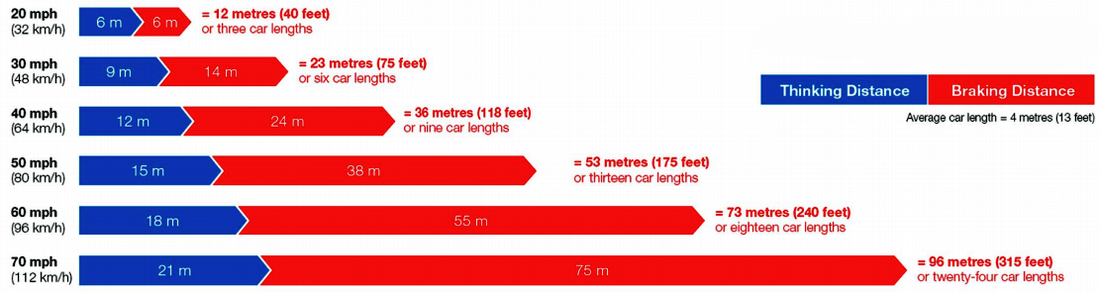
How should drivers manage stopping distances and avoid tailgating?Drive at a speed that allows you to stop well within the visible distance. Maintain enough space between your vehicle and the one in front to stop safely if they suddenly brake. On high-speed roads and in tunnels, a two-second gap is recommended, doubled on wet roads and up to ten times greater on icy roads. Large vehicles and motorcycles require greater stopping distances. Tailgating, which is driving too close to the vehicle in front, is dangerous, intimidating, and can cause collisions. Maintaining a safe distance provides time to react and stop.
What are the rules and guidance regarding road markings and lane discipline on multi-lane carriageways?Road markings like broken white lines (centre of the road), double white lines (broken nearer you allows crossing to overtake if safe, solid nearer you prohibits crossing unless necessary for access or passing specific slow vehicles), and areas of white diagonal stripes (separating lanes or protecting turning traffic, enter only if necessary and safe if bordered by broken lines, never enter if bordered by solid lines except in emergency) provide important information. Lane dividers are short broken lines separating lanes on wide carriageways. Reflective road studs also indicate lanes and road edges. On multi-lane carriageways, use mirrors and quick glances before changing lanes, signal intentions, and move over when safe. Follow signs for lane directions and avoid unnecessary lane changes in congested traffic. Merge in turn is recommended at very low speeds. On dual carriageways with two lanes, stay in the left-hand lane and use the right for overtaking or turning right, returning to the left lane when safe. On dual carriageways with three or more lanes, you can use middle or right lanes to overtake but should return to middle then left when safe. Use climbing/crawler lanes if driving a slow vehicle or if vehicles behind want to overtake.
What are the key aspects of safe driving behaviour and considerations for other road users?Concentration is vital for safe driving. Avoid distractions such as loud music, reading maps, adjusting controls, arguing, eating, drinking, or smoking while driving. Smoking is prohibited in certain vehicles under specific circumstances. Drivers must exercise proper control at all times and must not use hand-held mobile phones or similar devices while driving or supervising a learner, except for emergencies or contactless payments when stationary. In-vehicle systems can also be distracting; drivers must remain in control and not over-rely on driver assistance systems. Be considerate of all road users, especially vulnerable ones. Avoid throwing things from a vehicle. Be patient, understanding, and do not become agitated by the behaviour of others. Adapt your driving to the road conditions, not treating speed limits as a target. Be prepared for unexpected hazards and adjust your speed accordingly. Drive slowly and carefully in residential streets, looking out for hazards like emerging vehicles, opening doors, pedestrians, and children. Be aware of traffic-calming measures and reduce speed in these areas. On country roads, take extra care on bends and at junctions, and be prepared for various road users and conditions. On single-track roads, use passing places to allow other vehicles to pass and give way to uphill traffic. Certain motorized vehicles are not legal for use on roads or pavements. Ensure any vehicle used on the road meets legal standards and is properly registered, taxed, and insured.
0 Comments

Safe Driving Preparations and Requirements

27/5/2025

0 Comments

 
What are the essential legal requirements regarding vehicle condition before driving?Before driving, you MUST ensure that your vehicle and any trailer comply with the full requirements of the Road Vehicles (Construction and Use) Regulations and Road Vehicles Lighting Regulations. This ensures the vehicle is roadworthy and legal for use on public roads.
How does tiredness impact driving and what steps should drivers take to mitigate the risk?Driving when tired significantly increases the risk of collision. To minimise this, drivers should not begin a journey if they are already tired and should get sufficient sleep before long journeys. Avoiding long journeys between midnight and 6 am, when natural alertness is lowest, is also recommended. Drivers should plan journeys to include sufficient breaks, with a minimum break of at least 15 minutes after every two hours of driving. If feeling sleepy, stop in a safe place, avoiding emergency areas or hard shoulders of motorways.
What are the vision requirements for driving, and what must drivers do if they wear glasses or contact lenses?Drivers MUST be able to read a vehicle number plate in good daylight from a distance of 20 metres (or 20.5 metres for old-style plates). If glasses or contact lenses are needed to meet this requirement, they MUST be worn at all times while driving. The police have the authority to require a driver to undertake an eyesight test. Additionally, drivers should slow down or stop if dazzled by bright sunlight and avoid using tinted glasses, lenses, or visors that restrict vision at night or in poor visibility.
What are the legal alcohol limits for driving in England, Wales, and Scotland, and why is it best not to drink at all before driving?In England and Wales, drivers MUST NOT have a breath alcohol level higher than 35 microgrammes/100 millilitres of breath or a blood alcohol level of more than 80 milligrammes/100 millilitres of blood. In Scotland, the legal limits are lower, with a breath alcohol limit of 22 microgrammes/100 millilitres of breath and a blood alcohol limit of 50 milligrammes/100 millilitres of blood. Alcohol seriously affects judgment and abilities, including giving a false sense of confidence, reducing co-ordination and slowing reactions, affecting judgment of speed, distance, and risk, and reducing driving ability even below the legal limit. It is best not to drink at all when planning to drive because any amount of alcohol affects safe driving ability.
What are the rules regarding driving under the influence of drugs or medicine?Drivers MUST NOT drive under the influence of drugs or medicine. For medicines, individuals should check with their doctor or pharmacist and not drive if advised that they may be impaired. It is illegal to drive if you have illegal drugs or certain medicines in your blood above specified limits. Illegal drugs are particularly dangerous due to their unpredictable and potentially severe effects. While limits for certain medicines are higher, a statutory medical defence for having a concentration above the limit is only possible if the medicine was prescribed/legitimately supplied at a high dose and the driving was not impaired.
What should drivers ensure before setting off on a journey beyond just vehicle condition and fitness?Before setting off, drivers MUST ensure they have a valid licence and insurance for the vehicle and that the vehicle is legal and roadworthy. They SHOULD also ensure they have planned their route with sufficient time for breaks and delays, have enough fuel or charge, know how to use all controls, wear appropriate clothing and footwear, adjust mirrors and seat correctly for comfort and vision, and properly adjust head restraints. It is also recommended to have a mobile phone with emergency contacts and high-visibility clothing for emergency use.
What are the key considerations and legal requirements when towing a vehicle or trailer?When towing, drivers MUST NOT tow more than their licence permits and MUST ensure both the vehicle and trailer are in a roadworthy condition, including checking tyres, brakes, and lights. They MUST NOT overload the vehicle or trailer and should not exceed the manufacturer's recommended towing weight or tow ball load. Loads MUST be secured and not stick out dangerously. Towing mirrors MUST be used if the vehicle is narrower than the trailer/load or if the rearward view is obstructed. Trailers MUST be fitted with a secondary coupling device. Drivers should be aware of reduced speed limits, increased stopping distances, and MUST NOT drive in the right-hand lane on motorways with three or more lanes. If the trailer swerves, ease off the accelerator and reduce speed gently; do not brake harshly.
What are the rules for wearing seat belts and using child restraints in vehicles?Adults and children aged 14 and over MUST wear a seat belt if one is fitted in cars, vans, minibuses, buses, and coaches. The driver MUST ensure that all children under 14 in cars, vans, and other goods vehicles wear seat belts or sit in an approved child restraint where required. Children under 1.35 metres tall MUST use a suitable baby seat, child seat, booster seat, or booster cushion according to manufacturer instructions. A rear-facing baby seat MUST NOT be fitted in a seat with an active frontal airbag. Drivers carrying children should also ensure they enter from the kerb side, restraints are fitted correctly, children don't sit behind rear seats in certain vehicles without a special seat, child safety door locks are used, and children are kept under control.
0 Comments

Motorcycle Safety Guidelines

27/5/2025

0 Comments

 
  • What are the essential safety requirements for motorcyclists and their passengers?
  • Both the rider and any pillion passenger on a motorcycle, scooter, or moped MUST wear a protective helmet on all journeys. The only exception is for a follower of the Sikh religion wearing a turban. Helmets MUST comply with regulations and be securely fastened. Riders and passengers of motor tricycles and quadricycles are also advised to wear a protective helmet. Before each journey, it is important to check that the helmet visor is clean and in good condition.
  • What additional protective gear is recommended for motorcyclists?
  • In addition to a helmet, it is advisable to wear eye protectors that comply with regulations. Poorly fitting or scratched eye protectors can hinder visibility, especially in bright sunshine and darkness. Wearing ear protection is also something to consider. Strong boots, gloves, and suitable clothing can offer protection in the event of a collision.
  • What are the rules regarding carrying pillion passengers?
  • Motorcyclists MUST NOT carry more than one pillion passenger, who MUST sit astride the machine on a proper seat, facing forward with both feet on the footrests. You MUST NOT carry a pillion passenger unless your motorcycle is designed for this purpose. Provisional licence holders MUST NOT carry a pillion passenger.
  • How can motorcyclists increase their visibility during daylight hours?
  • To be as visible as possible from all sides (front, rear, and side), motorcyclists should consider wearing a light or brightly coloured helmet and fluorescent clothing or strips. Using dipped headlights, even in good daylight, can also make you more conspicuous. However, it's important to remember that other drivers may still not see you or correctly judge your distance or speed, particularly at junctions.
  • What should motorcyclists wear to improve visibility when riding in the dark?
  • When riding in the dark, motorcyclists should wear reflective clothing or strips. These materials reflect light from the headlamps of other vehicles, making you visible from a greater distance. Motorcyclists should also be aware of lighting requirements as outlined in other sections of The Highway Code (Rules 113 to 116).
  • What key considerations should motorcyclists have before and during manoeuvring?
  • Before manoeuvring, motorcyclists should be fully aware of what is behind and to the sides. This involves looking behind and using mirrors if they are fitted.
  • What specific actions should motorcyclists take when in traffic queues?
  • When in traffic queues, motorcyclists should be watchful for pedestrians crossing between vehicles and vehicles emerging from junctions or changing lanes.
  • What is the recommended positioning in traffic for motorcyclists and how should they approach filtering?
  • Motorcyclists should position themselves in traffic so that drivers in front can see them in their mirrors. When filtering in slow-moving traffic, care should be taken and speed should be kept low. The general principle for manoeuvring is to observe, signal, and then manoeuvre.
0 Comments

Guide to Safe Cycling on Roads

27/5/2025

0 Comments

 
  • What are the essential clothing and equipment recommendations for cyclists?
  • Cyclists should wear clothing that avoids entanglement with the cycle's moving parts and does not obscure lights. Light-colored or fluorescent clothing enhances visibility during the day and in poor light, while reflective clothing and/or accessories are beneficial in the dark. Wearing a properly sized, securely fastened cycle helmet that conforms to current regulations is recommended as evidence suggests it can reduce the risk of head injury. At night, cycles MUST be equipped with white front and red rear lights, a red rear reflector (and amber pedal reflectors for cycles manufactured after 1/10/85). White front and spoke reflectors also improve visibility. While flashing lights are permitted, a steady front lamp is recommended in unlit areas.
  • Where are cyclists permitted to ride, and what precautions should they take in shared spaces?
  • Cyclists can use cycle lanes, tracks, advanced stop lines, and toucan crossings where they enhance safety and ease of travel. Cycle tracks are routes physically separated from motor traffic or located away from it. On shared-use cycle tracks with pedestrians, cyclists MUST keep to the designated cyclist side. In places shared with pedestrians, horse riders, or horse-drawn vehicles, cyclists should be cautious, slow down, allow ample room, and announce their presence (e.g., by ringing a bell or calling out). It is crucial not to pass closely or at high speed, especially from behind, and never pass a horse on its left. Cyclists MUST NOT cycle on a pavement. Bus lanes can generally be used by cyclists where indicated by signs, but care is needed when buses are present and when re-entering the main traffic flow.
  • What are the general rules of conduct and safety while cycling?
  • Cyclists should avoid actions that reduce control of their cycle. When riding in groups, be considerate of other road users; riding two abreast can be safer in larger groups or when accompanying less experienced riders, but be aware of drivers behind and allow them to overtake safely. Do not ride close behind other vehicles. Avoid carrying items that affect balance or could get tangled. Be considerate of other road users, particularly vulnerable pedestrians and horse riders, and let them know you are there. Cyclists MUST NOT carry a passenger unless the cycle is designed for it, hold onto a moving vehicle, ride dangerously, carelessly, or inconsiderately, or ride under the influence of drink or drugs.
  • What are the key aspects of positioning and observation for cyclists on the road?
  • Before moving off, overtaking, passing stationary vehicles, turning, or stopping, cyclists should look all around to ensure safety. Be vigilant for road obstructions like drains and potholes, positioning to allow safe avoidance. Leave enough space (a door's width or 1 metre) when passing parked vehicles to avoid opening doors and watch for pedestrians. Be aware of traffic approaching from behind and give clear signals for intended maneuvers. Take extra care near traffic calming features. When cycling on the road, only pass to the left of large, stationary, or slow-moving vehicles with caution, especially near junctions where they might change lanes.
  • How should cyclists interact with traffic signs and signals?
  • Cyclists MUST obey all traffic signs and traffic light signals. At traffic light junctions and cycle-only crossings with traffic lights, cyclists MUST NOT cross the stop line when the lights are red. Some junctions have advanced stop lines; when the lights are red, cyclists may cross the first stop line but MUST NOT cross the final stop line.
  • What are the recommended road positioning strategies for cyclists?
  • When riding on roads, cyclists should adopt two basic positions depending on the situation. On quiet roads, in slower traffic, or approaching junctions/narrowings where overtaking is unsafe, ride in the centre of the lane to be clearly visible. If a faster vehicle approaches on a quiet road or traffic speeds up, move to the left safely to allow overtaking. On busy roads with faster traffic, allow overtaking where safe, keeping at least 0.5 metres (and further where safer) from the kerb.
  • How should cyclists approach junctions and turning maneuvers?
  • At junctions, especially those with traffic lights, use special cycle facilities where they improve safety. At junctions without specific cycle facilities, it is recommended to proceed as if driving a motor vehicle, positioning in the centre of the lane for visibility and to deter unsafe overtaking. If this feels unsafe, dismounting and wheeling the bike across is an option. When turning left, watch for vehicles turning ahead and check for other cyclists or motorcyclists before signalling; do not ride inside vehicles signalling or slowing to turn left. When turning right, check traffic, signal, move to the road's centre, wait for a safe gap, and look again before completing the turn. Waiting on the left for a gap or dismounting is also an option. When turning into or out of a side road, give way to pedestrians crossing or waiting to cross. At some signal-controlled junctions, two-stage right turns may be indicated.
  • What precautions should cyclists take at roundabouts and when crossing the road?
  • At roundabouts without cycle facilities, follow the procedures for motor vehicles. Be aware of vehicles crossing your path to leave or join the roundabout. When turning right, cyclists can ride in either the left or right-hand lane and move left near their exit, positioning in the lane centre and signalling right if not leaving the roundabout. Alternatively, walking the cycle on the pavement or verge is safer. If riding in the left lane, be aware drivers may not see you easily, take care crossing exits, signal right if not leaving, and watch for crossing vehicles. At roundabouts with separate cycle facilities, use them if they are safer and easier, though it is not obligatory. Give ample room to long vehicles as they require more space to manoeuvre. Do not ride across equestrian crossings, pelican, puffin, or zebra crossings; dismount and wheel your cycle across. Toucan crossings allow cyclists and pedestrians to cross together when the green signal is shown. Cycle track crossings also allow riding across when the green cycle symbol is displayed, but cyclists should be prepared to stop for pedestrians crossing informally. Take extra care at level crossings and tramways, and dismount at level crossings with a 'cyclist dismount' sign.
0 Comments

What is your question?

1/10/2024

0 Comments

 
ASK HERE
0 Comments

When would you not need to signal before moving away?

1/10/2024

0 Comments

 
If there is not the slightest chance of anyone being affected by you moving off, including oncoming traffic and pedestrians, then there is no need for signalling. However, we recommend always signaling before moving away.

If you are ready to move off and you see a vehicle approaching from the rear to pass you, do not indicate off if you intend on waiting for them to pass. Wait until the vehicle has passed.
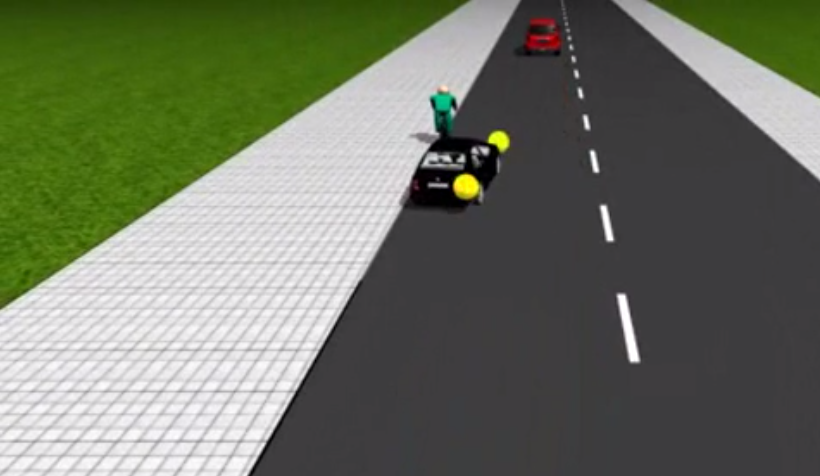
Moving off signaling
0 Comments

When is it illegal to use your horn?

29/6/2022

129 Comments

 
A horn should only be used when warning someone of any danger due to another vehicle or any other kind of danger, and not to indicate your annoyance.
It is illegal to use a horn on a moving vehicle on a restricted road, basically a road that has street lights and a 30 mph limit, between the times of 11:30 p.m. and 07:00 a.m.
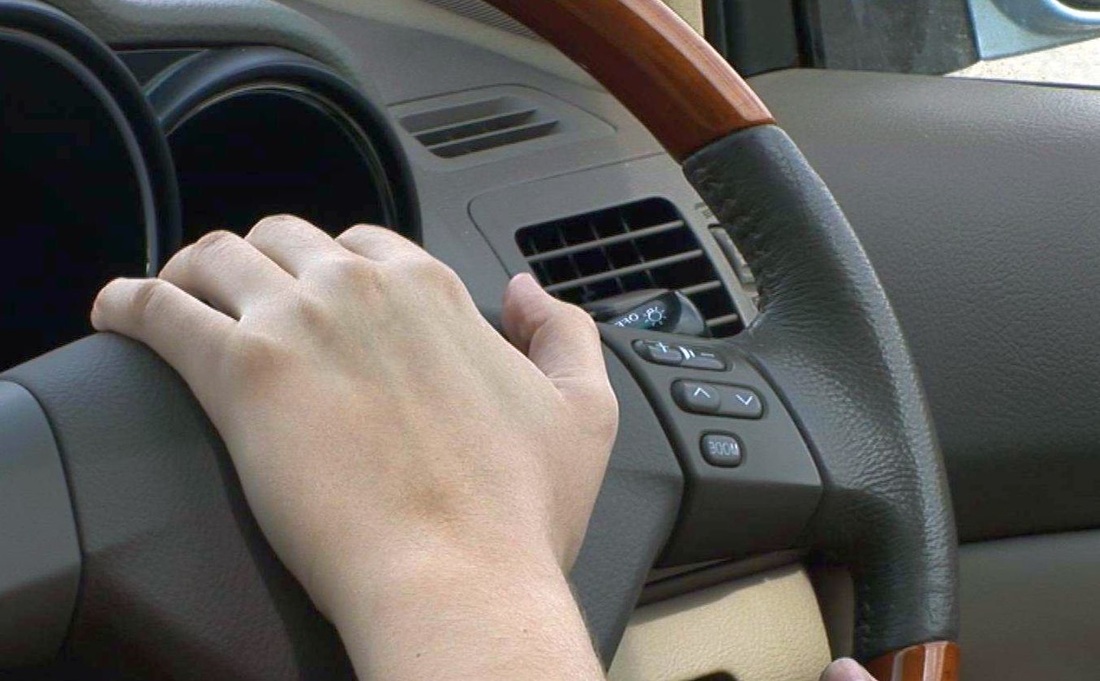
Use your horn
129 Comments

What is the eyesight test?

28/3/2019

9 Comments

 
You have to take an eyesight test before you start practical test.

In good daylight you should be able to read a vehicle number plate with letters 79,4 mm (3,1 inches) high at a minimum distance of 20 meters (about 67 feet).

If you need glasses or contact lences to read the number plate, that's fine. You must wear them while driving.
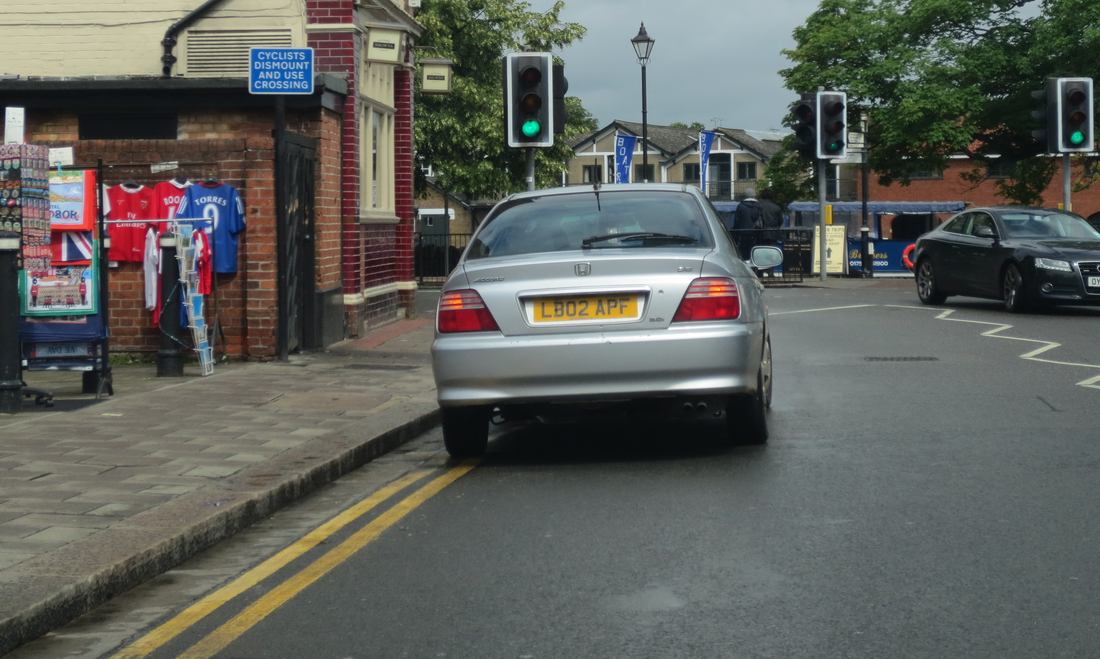
Picture
​At the start of your practical driving test you have to correctly read a number plate on a parked vehicle.

If you can’t, you’ll fail your driving test and the test won’t continue. DVLA will be told and your licence will be revoked.

When you reapply for your driving licence, DVLA will ask you to have an eyesight test with DVSA. This will be at a driving test centre. If you’re successful, you’ll still have to pass the DVSA standard eyesight test at your next practical driving test.
9 Comments

Can you drive with your dog in the car?

24/10/2018

22 Comments

 
By taking unrestrained pets in the car drivers are putting themselves at risk of potentially deadly distractions.

Highway Code states: “When in a vehicle make sure dogs or other animals are suitably restrained so they cannot distract you while you are driving or injure you, or themselves, if you stop quickly.
A seat belt harness, pet carrier, dog cage or dog guard are ways of restraining animals in cars.”

Breaking the Highway Code doesn’t carry a direct penalty, but drivers could still be pulled over for driving without due care and attention.

This can result a fine and penalty points - and if an unrestrained pet has caused an accident, insurers are unlikely to pay out.

What to do when driving with pets
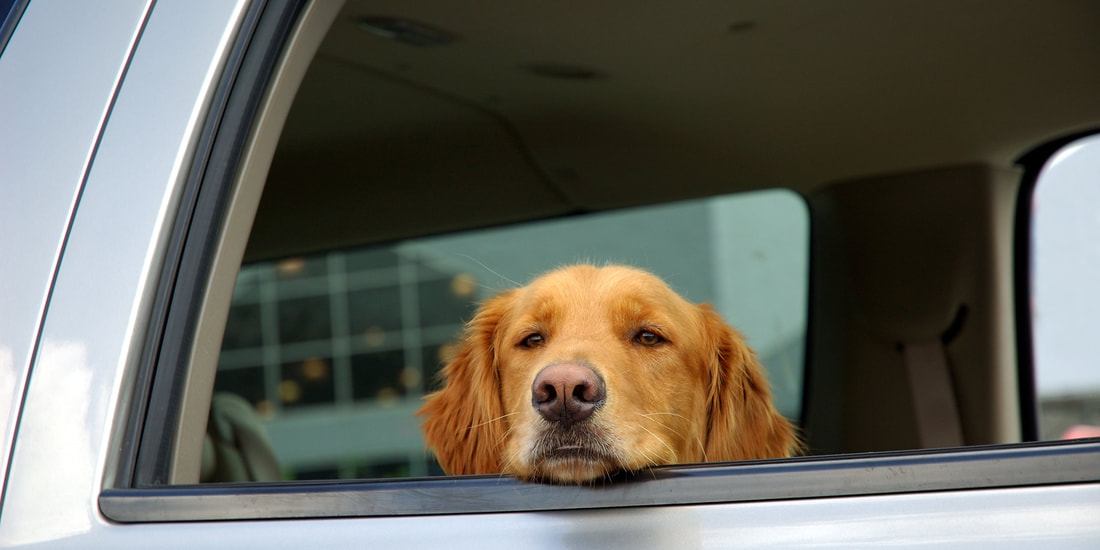
  • Don’t allow your pet to ride with its head hanging out of the window, as it’s potentially dangerous and can cause injury. Keep it suitably restrained.
  • Always carry a large water bottle (5 litres minimum) in case your pet overheats and needs to be rapidly cooled in an emergency.
  • Use sun shades on the windows when it is hot or the sun is bright and never leave a pet in a hot car.
  • Don’t feed your pet within two hours of starting a long car journey to avoid carsickness.
  • Pack a favourite toy or blanket to give your pet a sense of familiarity.
Driving with dog in car
22 Comments

What to do if I am in an accident

15/5/2018

2 Comments

 
​If you have an accident causing damage or injury you must give the following to anyone with ‘reasonable grounds for requiring them,’ for example an insurance company:
  • your name and address
  • the vehicle registration number
​
You also need to give the owner’s name and address if the vehicle isn’t yours.

You must report the accident to the police within 24 hours if you don’t give your details at the time of the accident.

You must also report the accident to your insurance company, even if you’re not planning to make a claim.
​You should tell the police if you have an accident with someone who’s not insured.

Your insurance company will also be able to give you more advice.

You might also be able to get compensation if you’re the victim of an uninsured or hit and run driver.

gov.uk
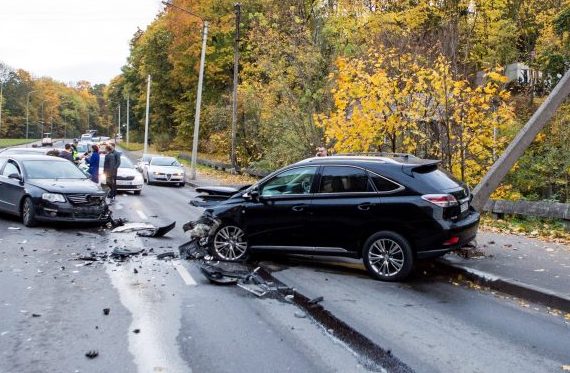
accident-on-road
2 Comments

What's the minimum tread depth for your car tyres?

28/11/2017

9 Comments

 
The legal minimum tread depth for cars is 1.6 millimeters. This 1.6 mm should be in a continuous band throughout the central three-quarters of the tread width, throughout the whole of the circumference.

This rule is applicable for Cars and Light trailers including Caravans weighing up to 3,500 Kgs and/or eight passenger vehicle. This also includes Motorcycles above 50cc, all these vehicles must ensure that the grooves of the tread pattern have a depth of a least 1 mm throughout a continuous band measuring at least three-quarters of the breadth of the tread and round the entire outer circumference of the tyre. 
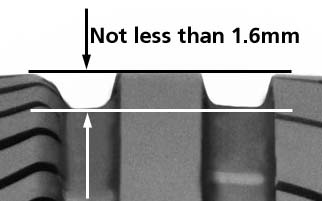
tyres minimum tread depth
Minimum tread depth for cars and Light trailers
9 Comments

Can I adjust the mirrors while I am driving?

6/11/2017

4 Comments

 
It is important to adjust the mirrors correctly before driving. Never try to do this while driving. If you need to adjust your mirrors or seat position, stop in the safe place.
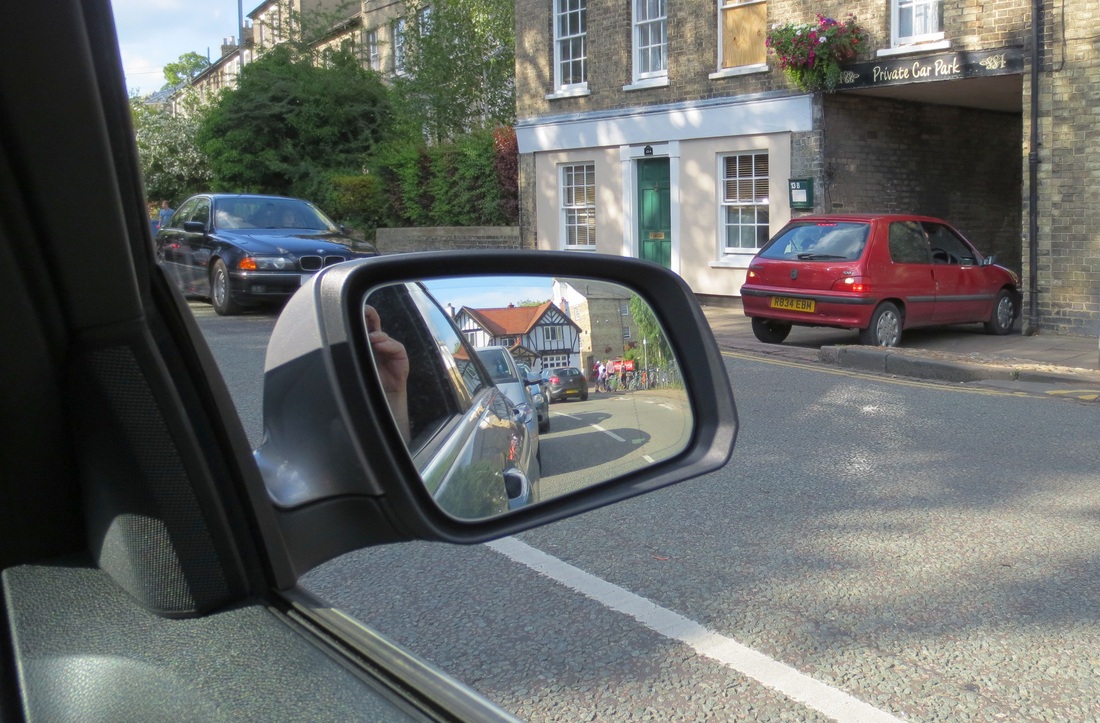
Adjust mirrors correctly
4 Comments

Should I steer and change gear at the same time?

2/11/2015

5 Comments

 
To steer, you need both the hands. Try to change the appropriate gear and then ensure both of your hands are on the wheel before starting to turn the steering wheel.
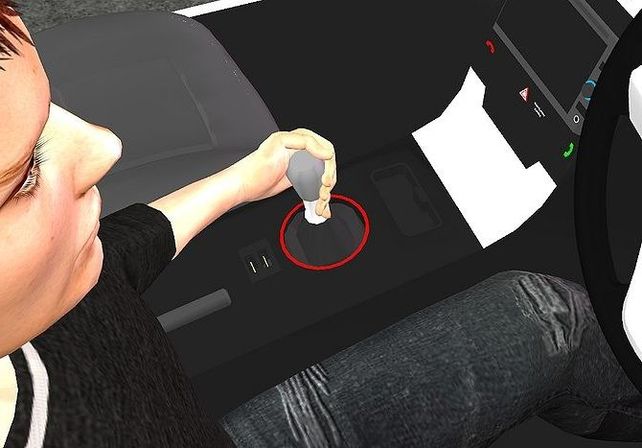
Change the appropriate gear
5 Comments

Roundabout: when should I start indicating to show I am taking an exit?

24/7/2015

12 Comments

 
When taking the first exit to the left, unless signs or markings indicate otherwise
- You should signal left and approach in the left-hand lane
- You should keep to the left on the roundabout and continue signalling left to leave.

When taking an exit to the right or going full circle, unless signs or markings indicate otherwise
- You should signal right and approach in the right-hand lane
- You should keep to the right on the roundabout until you need to change lanes to exit the roundabout
- You should signal left after you have passed the exit before the one you want.

When taking any intermediate exit, unless signs or markings indicate otherwise
- You should select the appropriate lane on approach to and on the roundabout
- You should not normally need to signal on approach
- You should stay in this lane until you need to alter course to exit the roundabout
- You should signal left after you have passed the exit before the one you want.

When there are more than three lanes at the entrance to a roundabout, use the most appropriate lane on approach and through it. https://www.gov.uk/

See how to negotiate roundabout:
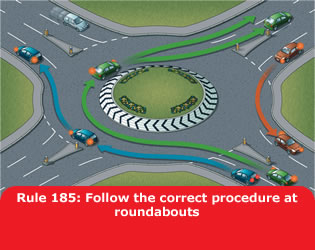
Signal on roundabout
12 Comments
<<Previous
    Changes And New Rules 

    Answers for drivers

    ​Road safety tips

    Ask a Question

    Categories

    All
    Cockpit Checks
    Dual Carriageways
    Junctions
    Legal Responsibilities
    Moving Away And Stopping
    Other Traffic
    Parking
    Pedestrian Crossings
    Pets
    Reversing
    Roundabout
    Tyres


Choose:

Text to read
​PDF to download
Audiobook
Podcast

Contacts
Feedback
Tips:

Updates and New Rules
Road safety tips
Answers for drivers
Highway Code Summary 
Categories
Crown Copyright. The content have been sourced from the 2026 edition of The Official Highway Code, and reproduced under the terms of the Open Government Licence.
Terms of Use
Privacy Policy

  • Read
  • Download PDF
  • Podcast
  • Audiobook
  • Changes and answers
  • ketbilietai
  • Categories